
RPO and RTO you can prove across every engine

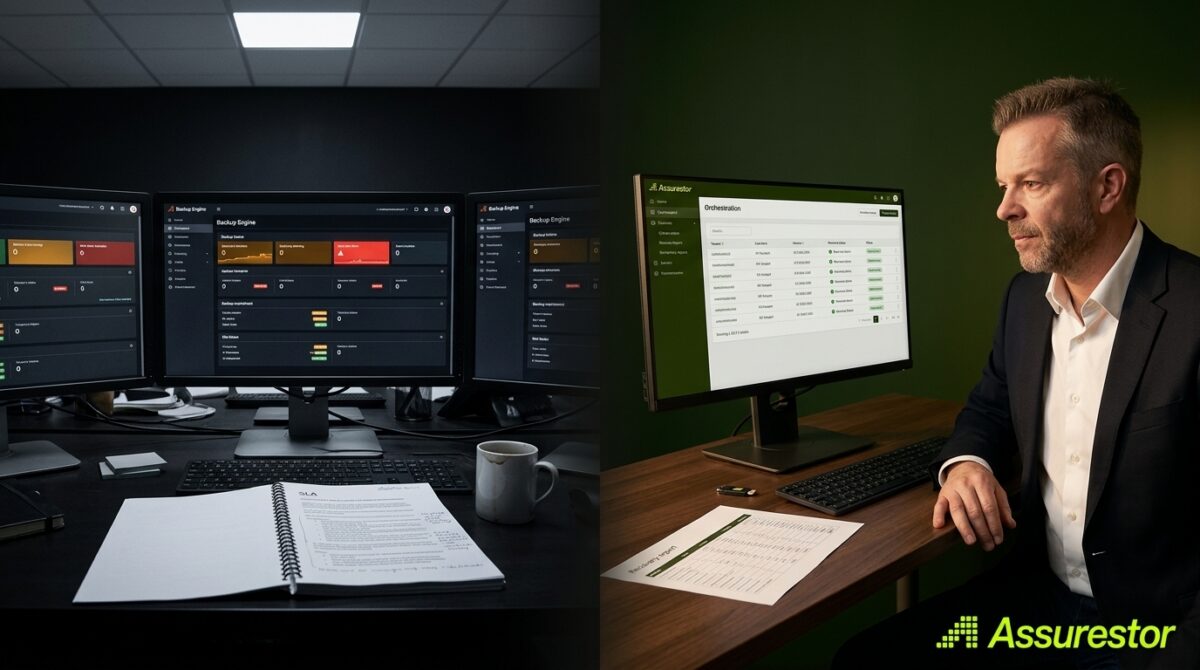
MSPs face mounting pressure to respond instantly when asked about RPO and RTO. The real challenge is not picking targets but proving them across every engine and workload you manage. Without a single platform to set, enforce and evidence recovery point objective and recovery time objective across mixed backup and DR engines, your risk is higher than the numbers suggest. Read on to see how Assurestor brings control and clarity across Asigra, Cirrus Data, HYCU, Veeam and HPE Zerto from one place.
For further insights into the significance of RTO and RPO in disaster recovery, consider exploring more about myth-busting DR for regulated buyers. Additionally, if you’re interested in making these recovery concepts operational within your MSP backup and disaster recovery services, this discussion on operationalising RTO might be beneficial. Finally, to understand how different recovery targets can be managed across diverse engines on one platform, you can read about different targets and engines.
The Pressure to Prove RPO and RTO
The demand on MSPs to quickly prove RPO and RTO capabilities is increasing. This pressure stems from the diverse backup and disaster recovery (DR) environments they manage. These expectations are not just about setting targets, but about ensuring each engine meets those targets reliably.
Managing Recovery Expectations
Recovery expectations can be challenging to meet, especially when dealing with varied engines. You need to ensure that every backup engine you operate can prove it meets the set recovery objectives. The complexity arises when different workloads require different approaches. For instance, while one workload might need frequent backups, another might demand faster recovery times. This means you must tailor your approach to each engine, ensuring that recovery objectives are not just numbers on paper but achievable goals. This specificity is crucial: without it, you risk overestimating your recovery capabilities.
Aligning Mixed Estates
In mixed estates, aligning different backup engines to meet unified recovery goals can be difficult. The challenge lies in keeping all engines synchronised, especially when they operate differently. For example, Asigra might handle data differently than Veeam or HYCU. This diversity requires a platform that can govern all engines from a single interface, ensuring that each one aligns with your recovery targets. Misalignment can lead to gaps in your recovery process, increasing the risk of data loss. A unified approach helps you manage these differences effectively.
Operational Control Across Engines

Achieving operational control across various backup engines is a necessity, not a luxury. The ability to manage all engines from one platform is essential to reduce risk and improve efficiency.
The Role of Assurestor Platform
The Assurestor Platform offers you the control and oversight you need across multiple engines. This platform brings Asigra, Cirrus Data, HYCU, Veeam, and HPE Zerto under one roof. With this setup, you operate all engines from one console, simplifying your management tasks. This means fewer manual processes and a clearer view of your entire backup estate. Having a single point of control also enhances your ability to enforce consistent security policies, like Four Eyes approval and MFA, across all engines. This unified approach streamlines your operations, reducing the risk of oversight.
Proving Recovery Targets
Proving that your recovery targets are met is as important as setting them. With Assurestor, you can verify and demonstrate compliance with RPO and RTO across your engines. This involves clear reporting and analytics that show where your recovery processes stand. For instance, tenant billing and analytics provide insights into usage patterns and potential risks. This transparency not only reassures your clients but also strengthens your position as a reliable MSP. The ability to prove these targets consistently is a significant advantage in maintaining trust and accountability.
Reducing Risk with Unified Management

Unified management is not just about convenience; it’s about reducing risk across your entire backup environment. When everything operates under one management platform, the potential for error decreases.
Tenant Orchestration and Approval
Tenant orchestration is a key feature of Assurestor’s unified management. It allows you to manage different tenants effectively, ensuring each has the necessary recovery protocols. This orchestration is paired with a robust approval process, like Four Eyes, which safeguards against unauthorized modifications. This process ensures that no single admin can make changes without oversight, reducing insider threats and improving security.
Security Features and Compliance
Security is paramount in DR operations, and Assurestor enhances this through features like MFA and SSO. These controls ensure that access to your backup environments is secure and traceable. Compliance with standards such as ISO 27001 further strengthens your security posture. These features collectively reduce the risk of data breaches and ensure that your operations meet regulatory requirements. By maintaining high security standards, you not only protect your data but also build trust with your clients.
Frequently Asked Questions
What is the importance of RPO and RTO in MSP backup services?
RPO and RTO are critical in MSP backup services as they define the objectives for data recovery and downtime. Meeting these objectives ensures data integrity and service continuity, which are vital for client trust and regulatory compliance.
How does Assurestor help in managing mixed backup environments?
Assurestor unifies multiple backup engines under one platform, providing a centralised control point. This setup simplifies management, aligns recovery processes, and ensures consistent security measures across all environments.
What are the security measures provided by Assurestor?
Assurestor offers robust security features such as Four Eyes approval, MFA, and SSO. These measures protect against unauthorized access and ensure compliance with industry standards, reducing the risk of data breaches.