
How to choose a cloud data protection strategy for hybrid IT environments

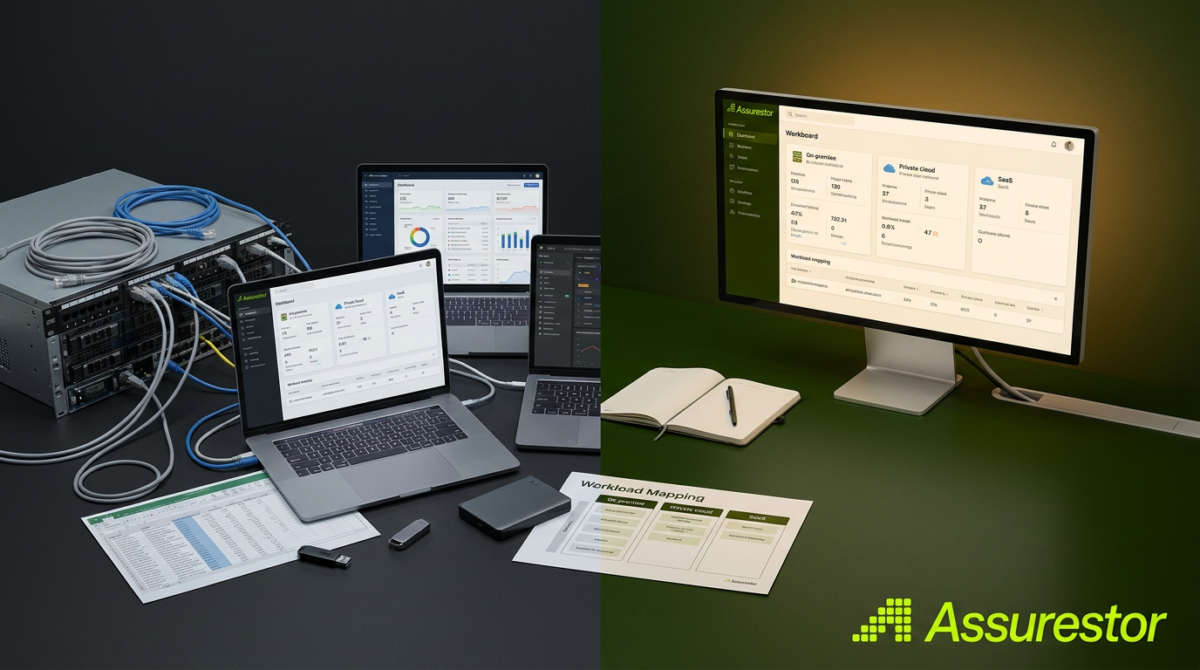
Hybrid IT data protection can feel like juggling with one hand tied behind your back. Your workloads stretch across on-premise servers, private clouds and SaaS platforms, each demanding a unique safety net. This guide cuts through the noise, showing you how to choose a cloud backup strategy that fits your hybrid environment, speeds recovery and keeps your existing workflows intact. Ready to bring clarity to your continuity planning?
Choosing a Cloud Backup Strategy

Understanding Hybrid IT Data Protection
Navigating the challenges of hybrid IT can be complex. Your data protection strategy needs to be as flexible as your environment. Hybrid IT mixes on-premise, private cloud and SaaS and each requires different protection. Your goal is to find a cloud backup strategy that fits all these needs.
Hybrid IT data protection involves managing diverse data sources. You must ensure data safety while maintaining business operations. Protecting these varied environments demands a strategy that covers all bases. It’s about keeping data secure without losing functionality.
Balancing On-Premise and Cloud Recovery
Finding the right balance between on-premise and cloud recovery is crucial. Each has unique benefits. On-premise offers control while cloud recovery provides scalability and flexibility. How do you choose? Focus on what your business needs most.
Recovery speed is often the deciding factor. On-premise solutions can be faster, but they may lack the flexibility of the cloud. Meanwhile, cloud solutions can scale quickly, handling large data volumes. Consider your current infrastructure. Which option complements it best?
Prioritising Business Continuity Planning
Business continuity planning is more than just a buzzword, it’s your lifeline during disruptions. Your strategy should focus on keeping operations running smoothly, no matter what. This means planning for the unexpected and being ready to act.
Think of continuity planning as your safety net. It allows your business to recover quickly from setbacks. But it’s not just about recovery, it’s about maintaining trust with your clients. When they know you’re prepared, they feel secure too.
Key Criteria for Selection
Evaluating Workload Coverage
Choosing the right backup strategy starts with understanding your workloads. What needs protection? This includes everything from databases to employee emails. Your backup strategy should cover all critical areas.
Start by mapping your workloads. Identify which are on-premise and which are in the cloud. This helps in choosing a strategy that fits your needs. The right solution will protect both environments, ensuring nothing falls through the cracks.
Assessing Recovery Speed and RTO/RPO
Recovery Time Objectives (RTO) and Recovery Point Objectives (RPO) are key metrics. They define how quickly you need to recover and how much data you can afford to lose. The right strategy minimises downtime and data loss.
Evaluate different solutions based on these metrics. Some may offer faster recovery but at a higher cost. Weigh these factors carefully. The aim is to find a balance between cost-effectiveness and efficiency.
Integration Fit and Support Model
Your backup strategy should integrate smoothly with existing systems. It should support your current operations without causing disruption. Check if the solution fits your infrastructure and whether it’s easy to manage.
Consider the support model too. Will you have access to help when you need it? A reliable support system is as vital as the technology itself. It ensures that any issues are swiftly resolved, maintaining operational continuity.
Leveraging Multi-Vendor Data Protection
Benefits of Channel-First Backup Solutions
Channel-first backup solutions offer unique advantages to MSPs and resellers. They provide specialised support and tailored services. These solutions are designed to meet the specific needs of the channel, offering a personalised approach to data protection.
Choosing a channel-first solution can enhance your capability of delivering resilience to your clients. These services often come with dedicated support teams. This ensures you have expert guidance at every step. It’s about getting the right help when you need it most.
Exploring Assurestor’s Backup and Recovery Platforms
Assurestor is known for its comprehensive protection platforms. These are designed specifically for hybrid IT environments. They offer robust solutions that integrate seamlessly with existing systems.
The platforms support a wide range of environments, ensuring all your data is covered. Assurestor focuses on providing reliable and effective solutions which means you can focus on your core business activities with peace of mind.
Why MSPs are the choice for Enhanced Cyber Resilience
Managed Service Providers (MSPs) play a crucial role in enhancing cyber resilience. They offer expertise and resources that might not be available in-house. Partnering with MSPs can significantly bolster your data protection efforts.
MSPs provide scalable solutions tailored to meet your needs. They help manage complex environments efficiently. Engaging with MSPs ensures you have the support needed to handle any data protection challenge, keeping your operations smooth and secure.
In conclusion, understanding and applying these strategies will help you choose the best cloud backup strategy for your hybrid IT environment. By prioritising business continuity and leveraging channel solutions, you can ensure robust protection for your data.