
IT disaster recovery plan template that scales: One Portal. Channel Power. Total Visibility.

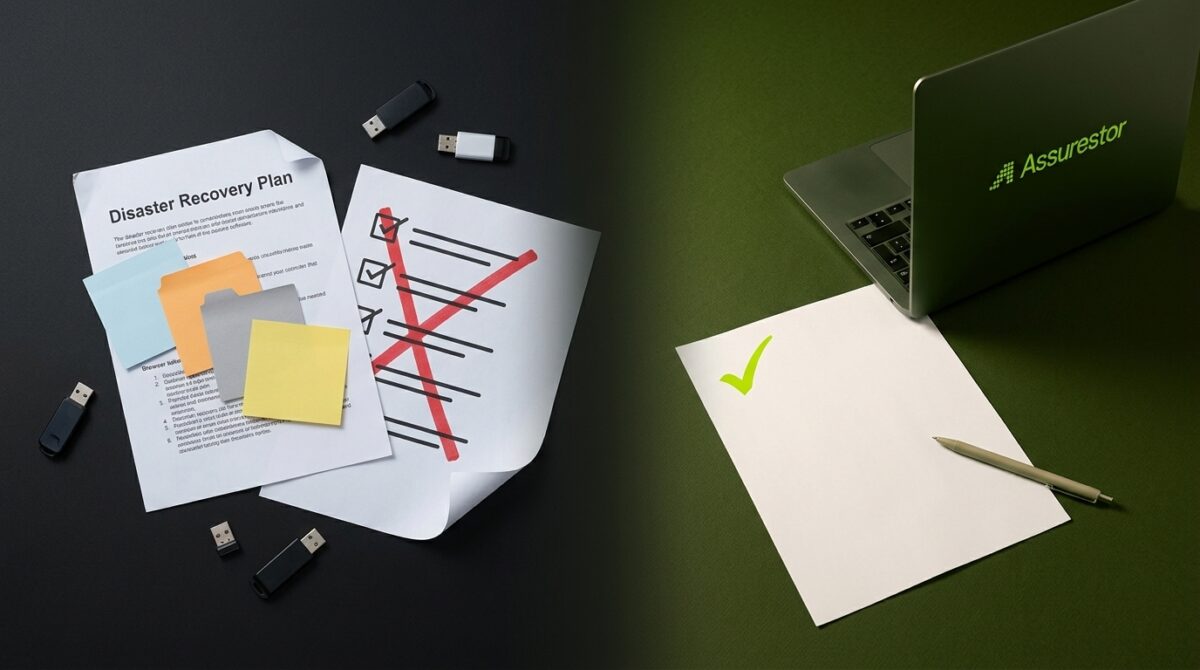
Most disaster recovery plans stop at being a document with roles and contacts. That’s where MSPs and channel partners often hit a wall. Real resilience demands a single, partner-controlled portal that unifies backup, DR and SaaS protection across hybrid environments. This blog reveals why your IT disaster recovery plan template needs more than checklists; it needs total visibility and repeatable delivery from one place.
For a deeper understanding of how to effectively construct a disaster recovery plan, consider reading our comprehensive guide on How to Build a Hybrid IT Disaster Recovery Plan: Map First, Recover Right.
Rethinking IT Disaster Recovery
Common Missteps in DR Planning
The journey to effective disaster recovery often begins with misunderstanding. Many assume having a detailed plan is enough. But is it? Merely documenting roles and steps can lead to a false sense of security.
One common error is focusing solely on the plan itself without considering how it fits into the broader operational strategy. You might think that covering roles and contacts is sufficient, but this approach lacks depth. Without integrating these elements into a unified system, the plan can become isolated, failing to deliver when needed.
Why Templates Fail Without Strategy
A template can guide you but, without a strategy, it falls short. The real test is operational resilience. How does your plan work across all environments?
Templates often cover basic procedures and contacts. However, they miss the strategic layer that ensures everything functions smoothly during a crisis. Without a clear strategy, your plan might not adapt to real-world scenarios, leaving you vulnerable. The key is ensuring that your template aligns with a broader strategy that can adapt to various situations.
Beyond Documentation: Operationalising Resilience
Documentation is a starting point, but resilience requires action. How do you operationalise it? By moving beyond paper, you create a living, breathing system.
Resilience is more than just having a plan on paper. It’s about creating a system where real-time actions and decisions are informed by your documentation. This involves integrating your plan into daily operations, ensuring that everyone knows their roles and can act swiftly when needed.
The Essentials of a Channel-Ready Template
Consolidating Workflows for Efficiency
Efficiency in disaster recovery starts by consolidating workflows. But how do you achieve this? By bringing all processes under one roof.
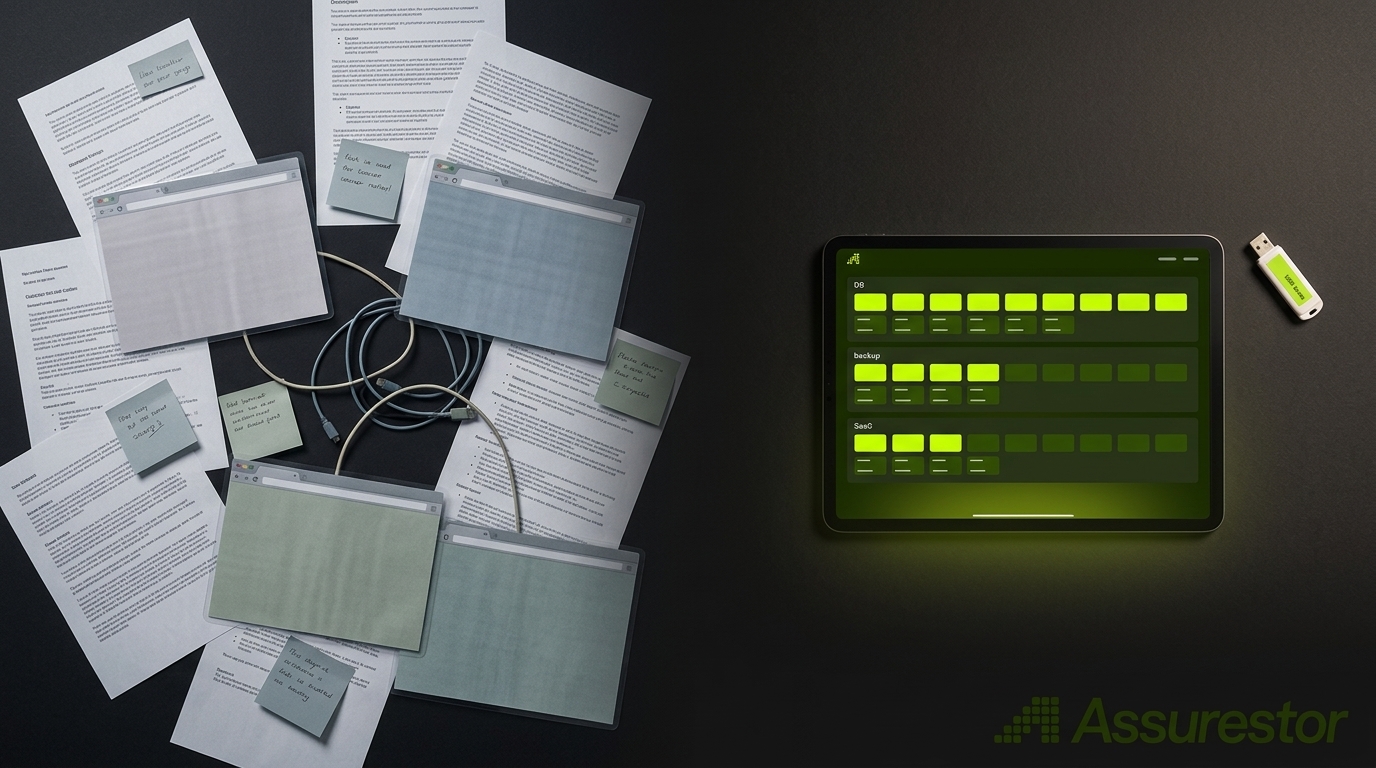
When workflows are scattered across various platforms it leads to inefficiency. A channel-ready template pulls everything together. This reduces redundancy and ensures that every step is aligned. By consolidating processes, you streamline operations, making it easier to handle crises with confidence.
Achieving Single-Pane Visibility
Visibility is crucial in a crisis. Can you see everything from one place? Achieving a single-pane view is essential for effective management.
Having multiple windows open can create confusion. A single-pane view allows you to monitor all aspects of your disaster recovery efforts from one place. This clarity helps in making informed decisions quickly, reducing the chances of oversight during critical moments.
Standardising Delivery Across Workloads
How do you ensure consistency in your recovery efforts? By standardising delivery across all workloads.
Different workloads might require different approaches, but standardisation ensures a consistent level of service. This means creating templates and processes that can be applied universally, ensuring that, no matter the scenario, you have a clear and consistent response plan.
Implementing a Scalable DR Plan
From Tool Sprawl to Unified Platforms
Tool sprawl can be overwhelming. How do you manage it? By transitioning to unified platforms that consolidate your tools.
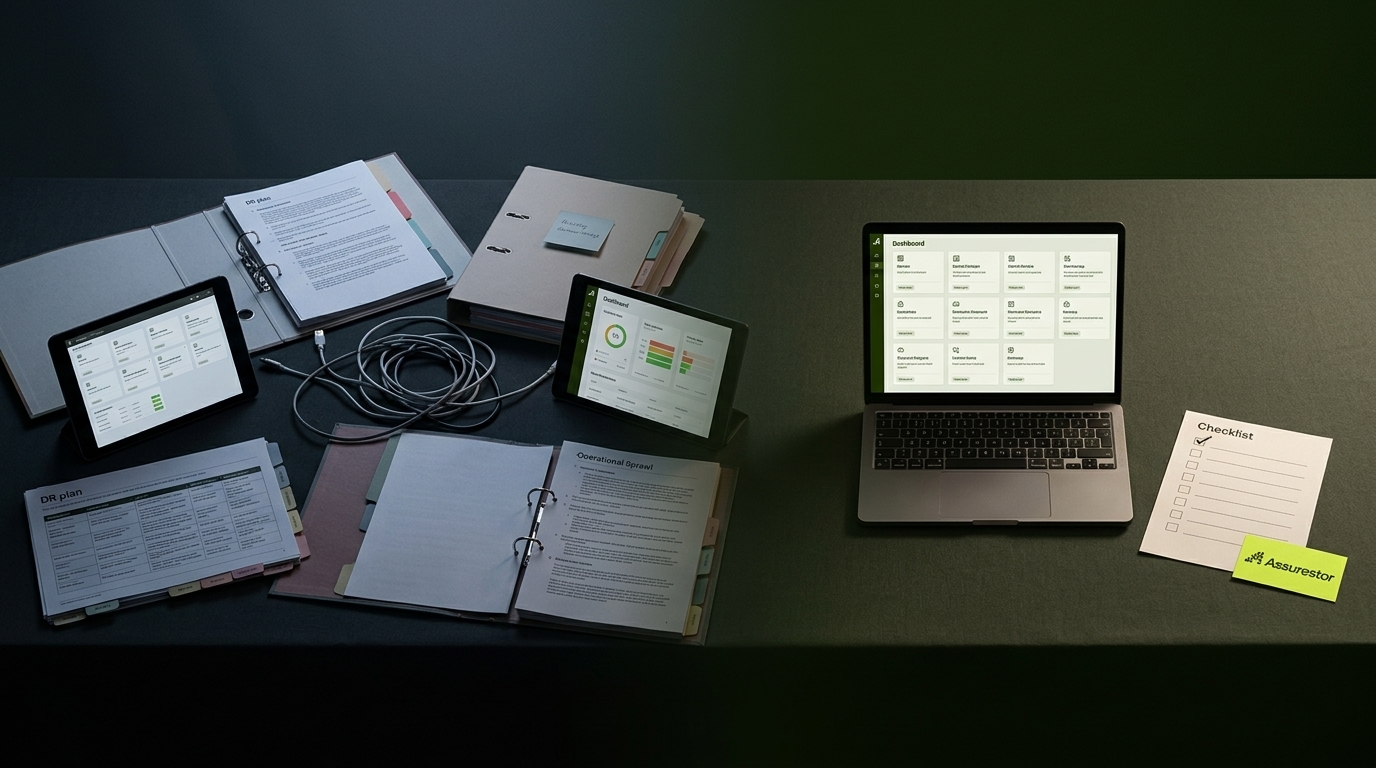
Having too many tools can complicate disaster recovery efforts. A unified platform brings all necessary tools under one umbrella, simplifying operations and making it easier to manage everything from a single interface. This transition not only reduces complexity but also enhances efficiency.
Leveraging Partner Portals for Control
Control is vital. How do you maintain it? By leveraging partner portals that provide oversight and management capabilities.
Partner portals offer a centralised way to manage all aspects of disaster recovery. They provide control over processes, allowing for better coordination and communication. By using these portals, you gain control over your disaster recovery efforts, ensuring everything runs smoothly and efficiently.
Ensuring Cyber Resilience with Multi-Vendor Solutions
Cyber resilience is non-negotiable. How do you guarantee it? By adopting multi-vendor solutions that offer comprehensive protection.
Relying on a single vendor can leave you vulnerable. Multi-vendor solutions provide a layered approach to protection, covering various aspects of your IT environment. This not only ensures cyber resilience but also increases flexibility, allowing you to adapt to new threats as they arise.
Frequently Asked Questions
What is a single-pane view in disaster recovery?
A single-pane view allows you to see all aspects of your disaster recovery efforts from one interface. It provides clarity and helps in making quick, informed decisions.
How can I reduce tool sprawl in disaster recovery?
Reducing tool sprawl involves consolidating tools into a unified platform. This simplifies operations and makes it easier to manage everything from a single interface.
Why is a multi-vendor solution important for cyber resilience?
A multi-vendor solution provides a layered approach to protection, covering various aspects of your IT environment. This ensures comprehensive protection and flexibility against new threats.