
Recovery confidence is the real vulnerability: nearly half of UK firms doubt they can recover after a cyberattack

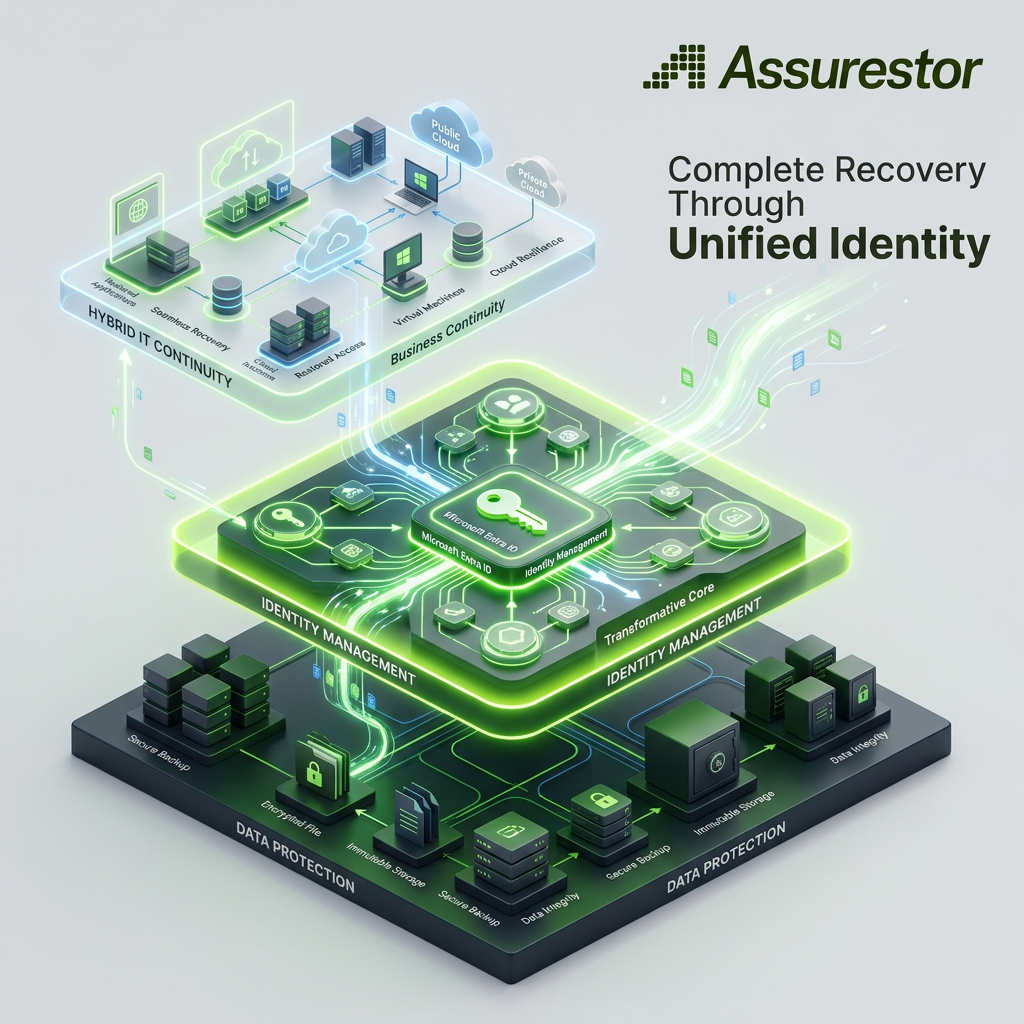
Nearly half of UK firms admit they lack confidence in recovering data after a cyberattack. That gap in recovery confidence puts business continuity and reputations at real risk. Your backup plan only matters if you can prove it works under pressure, with clear evidence and tested failover. This post explores what resilient recovery looks like in hybrid IT and why trusted strategies must become your strongest defence.
The Confidence Gap in Cyber Resilience
Recovery confidence is the bedrock of cyber resilience. Without it, businesses face uncertainty and potential downtime.
Why Recovery Confidence Matters
Imagine you’re in the midst of a cyberattack. The clock is ticking and every second counts. This is where recovery confidence plays a crucial role. Knowing you can recover swiftly ensures business continuity. It protects your reputation too. In this high-stakes situation, confidence isn’t just a nice-to-have, it’s essential.
The Risk of Unproven Plans
Unproven recovery plans present hidden dangers. They often lead to longer downtimes and costly consequences. If your team hasn’t tested the plan, how can you trust it? Many businesses think they are prepared but discover gaps when it matters most. It’s vital to identify these weaknesses now, rather than during an incident.
Building Trust in Recovery Strategies
Building trust in your recovery strategy involves consistent testing and validation. It’s about shifting from assumptions to evidence. Your team needs to feel assured that when an attack occurs, recovery will be seamless. By proving your plan works, you foster confidence. This trust becomes your strongest defence against potential threats.
Components of Resilient Recovery

To achieve resilient recovery, several components must work together seamlessly. It’s not just about having a plan but ensuring its reliability.
Demonstrating Recovery Assurance
Recovery assurance means providing concrete proof that your systems can bounce back. Regular testing is key. It highlights potential weak spots and areas for improvement. When your team knows exactly how recovery happens, stress levels decrease. Assurance isn’t about hope; it’s about certainty. This certainty is what keeps businesses operational during crises.
Importance of Failover Testing
Failover testing is a critical step in your recovery plan. It verifies that your backup systems can take over when primary systems fail. Think of it as a dress rehearsal for a real event. By testing failover, you ensure operations can continue with minimal disruption. This testing builds confidence, showing your team and stakeholders that you’re prepared for anything.
Role of Transparent Support and Evidence
Transparent support and clear evidence are vital for effective recovery. When everyone knows what to expect, recovery becomes smoother. Documentation and evidence provide a roadmap for action. They eliminate guesswork and allow teams to follow a proven process. With transparency, you create a reliable foundation for recovery.
Practical Steps for IT Teams and MSPs

Implementing a robust recovery strategy requires actionable steps. These steps ensure your team is ready when disaster strikes.
Testing and Evidence in Practice
Start by conducting regular recovery tests. Document each test and its outcomes. This documentation serves as evidence of your readiness. It provides insights into areas needing improvement. By testing often, you ensure your team is familiar with the recovery process. This familiarity reduces stress and increases effectiveness during actual events.
Engaging with the Assurestor Partner Programme
Partnering with Assurestor offers unique benefits. Our programme provides access to top-tier recovery solutions and expert guidance. By working with us, you gain a partner committed to your success. We help you build a recovery strategy that meets your needs while enhancing your capabilities.
Using Multi-Vendor Flexibility for Recovery
Multi-vendor flexibility is crucial for a resilient recovery. It allows you to adapt and integrate various solutions seamlessly. This flexibility ensures you are not reliant on a single vendor, reducing risks. By leveraging multiple vendors, you enhance your recovery strategy, making it robust and adaptable to any situation.
Frequently Asked Questions
What is recovery confidence and why is it important?
Recovery confidence refers to the assurance that your systems can recover after a cyberattack. It’s important because it ensures business continuity and protects your reputation during critical times.
How often should failover testing be conducted?
Failover testing should be conducted regularly, ideally every few months. This ensures your backup systems are ready to take over seamlessly when needed.
What role does documentation play in recovery strategies?
Documentation provides a clear roadmap for recovery. It eliminates guesswork and allows teams to follow proven processes, ensuring a smoother and quicker response.
How can Assurestor help improve recovery strategies?
Assurestor offers expert guidance and top-tier recovery solutions. By partnering with us, you gain a comprehensive recovery strategy tailored to your needs.
Why is multi-vendor flexibility important in recovery?
Multi-vendor flexibility allows you to adapt and integrate various solutions, reducing reliance on a single vendor. This approach enhances your recovery strategy’s robustness and adaptability.