
The First-Hour Disaster Recovery Plan for Small Businesses: A Practical Runbook for Hybrid IT and SaaS


When disaster strikes, the first hour is the toughest test for any small business. Without a clear plan focused on quick decisions, limited teams and hybrid IT systems, chaos spreads fast. This small business disaster recovery plan breaks down that critical first hour into simple, actionable steps, so you restore key SaaS services and workloads without guessing. Ready to see how structure and partner support turn disruption into control?
For those looking to dive deeper into developing a robust recovery strategy, exploring how to build a hybrid IT disaster recovery plan is a beneficial start. Additionally, our IT disaster recovery plan template can provide a scalable solution. For managed service providers, a dedicated disaster recovery plan template offers full control and integration, making it an ideal choice.
Find more about Assurestor’s solutions on our website.
Creating a Resilient First-Hour Plan
Understanding the First-Hour Challenges
During a disaster, the first hour is critical. Small businesses often face limited resources and need to make quick decisions. This period can be chaotic without a clear plan. By preparing in advance, you can turn potential chaos into organised action. The key is understanding these initial challenges and framing your response strategy around them.
The first hour often comes with uncertainty. You might have to deal with disrupted services and stressed team members. A structured plan helps navigate this uncertainty, ensuring everyone knows their role and responsibilities. This clarity can be the difference between rapid recovery and prolonged downtime, making your small business disaster recovery plan crucial.
Importance of a Simple, Actionable Plan
A simple plan is essential when time is of the essence. Complex plans can be overwhelming during a crisis, leading to delays. A streamlined approach ensures that every team member knows what to do without hesitation. The goal is to restore operations quickly, minimising the impact on your business.
Your plan should be clear and concise. Avoid jargon that might confuse team members. Focus on actionable steps that can be executed immediately. This approach helps your team remain calm and focused, directing efforts toward recovery rather than grappling with complex procedures.
Role of Hybrid IT and SaaS
Hybrid IT and SaaS solutions play a significant role in modern disaster recovery. They offer flexibility and scalability that traditional systems can’t match. By incorporating these technologies, you can ensure that critical services remain accessible, even during disruptions.
SaaS solutions, like backup services for Microsoft 365 and Google Workspace, provide additional layers of security.
Understanding the First-Hour Challenges
When a disaster hits, small businesses face immediate chaos. The first hour is critical. Confusion reigns if you lack a clear plan. Teams may feel overwhelmed. Hybrid IT systems can complicate matters. You need to act fast, but how? With limited resources, making quick decisions becomes tough. A structured approach is essential. It helps navigate the turmoil and restore order.
Importance of a Simple, Actionable Plan
A simple plan is crucial when disaster strikes. It guides your team through the chaos. Easy-to-follow steps can prevent panic. You need clarity to focus on restoring key systems. This is where actionable steps come into play. They offer a roadmap for recovery. Having predefined tasks eases the pressure. Your team can act with confidence, knowing what to do next.
Role of Hybrid IT and SaaS
Hybrid IT and SaaS play pivotal roles in recovery. These systems are often the backbone of your operations. They support essential functions and services. When they go down, it disrupts everything. Restoring them quickly is vital. That’s why your plan should prioritise these areas. By focusing on hybrid IT and SaaS, you ensure continuity. It helps minimise downtime and maintain business operations.
Key Components of a Disaster Recovery Plan
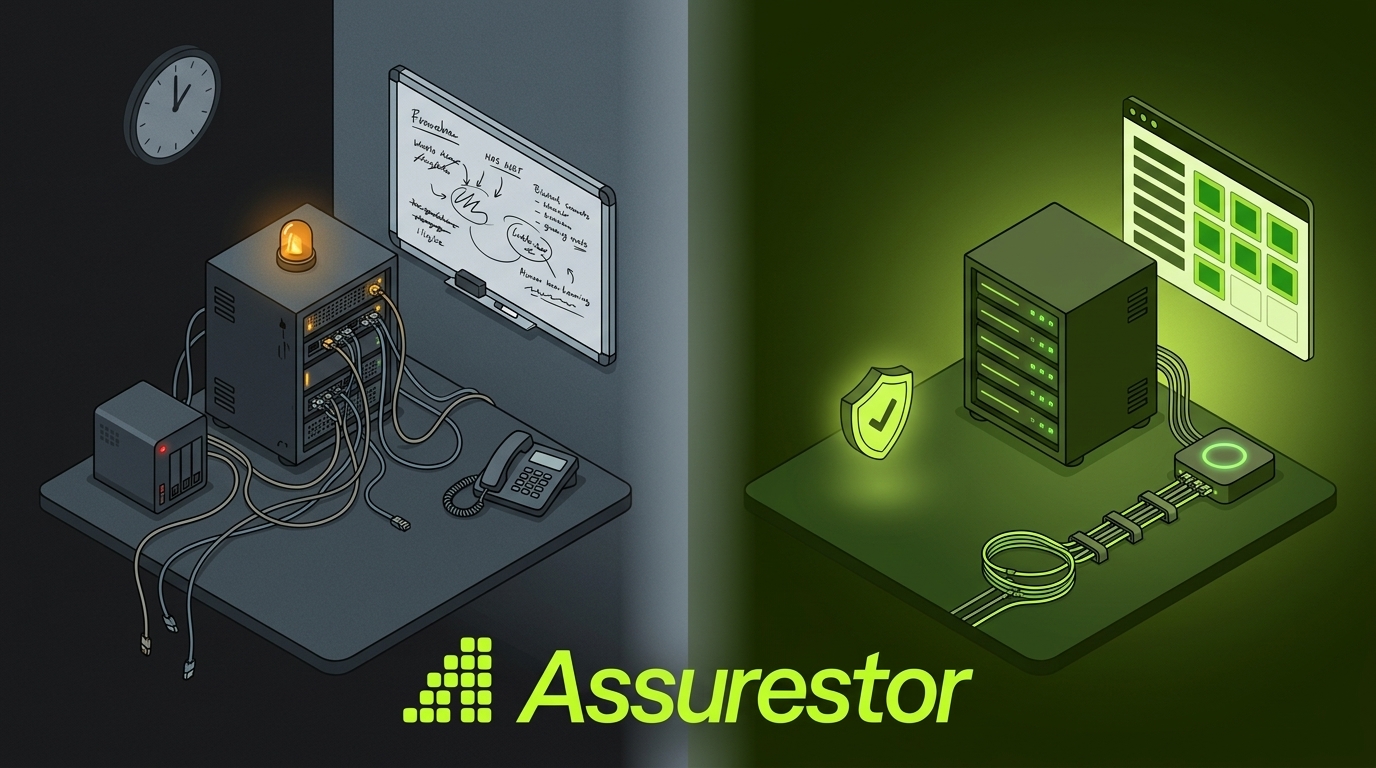
Essential Elements for Small Businesses
For small businesses, certain elements are crucial. Start with a communication strategy. Inform your team and stakeholders promptly. Next, focus on data protection. Secure backups of critical information. Establish a clear chain of command. This ensures decisions are made swiftly. Finally, identify key systems. Know which to restore first to maintain operations.
Testing and Validating Your Plan
Testing your plan is non-negotiable. Regular drills are necessary. They reveal gaps and weaknesses. Use these tests to refine your approach. Validation ensures your plan works when needed. Consider tabletop exercises. They simulate real-world scenarios. This builds confidence and readiness. When disaster strikes, you’ll be prepared.
Partner Support for Effective Recovery
Having partner support is invaluable. They bring expertise and resources. Engage with Managed Service Providers (MSPs). They can offer additional support during recovery. Partners ensure your systems are restored efficiently. They provide insights and guidance. This collaboration strengthens your recovery efforts. It helps achieve a smoother, faster resolution.
Implementing and Maintaining Your Plan

Building Confidence with Regular Testing
Regular testing builds confidence. It ensures your plan is effective. Schedule frequent reviews and updates. This keeps your strategy current. It also helps adapt to new challenges. Testing familiarises your team with procedures. It reduces hesitation and boosts response times. Confidence grows with practice. Your team becomes adept at handling disruptions.
Collaborating with MSPs for Success
Collaborating with MSPs enhances recovery. They offer specialised knowledge. Their experience in disaster recovery is valuable. MSPs can manage complex tasks. They complement your internal resources. This partnership ensures a comprehensive approach. Relying on experts minimises errors. It leads to a more effective recovery process.
Ensuring Offsite and Cloud Backups
Offsite and cloud backups are essential. They safeguard your data from onsite threats. Regularly update these backups. Ensure they are secure and accessible. Cloud solutions offer flexibility. They provide a reliable recovery option. Incorporate them into your strategy. This ensures data protection and continuity.
Frequently Asked Questions
What is a first-hour plan in disaster recovery?
A first-hour plan outlines immediate actions to take when a disaster strikes. It focuses on quick decision-making, ensuring that critical systems are prioritised for restoration within the initial hour of disruption.
Why is it important to test a disaster recovery plan?
Testing ensures that your disaster recovery plan is effective and reliable. Regular drills help identify gaps and weaknesses, allowing you to refine your approach and build confidence in your team’s ability to respond swiftly.
How do MSPs support disaster recovery efforts?
MSPs provide specialised expertise and resources in disaster recovery. They manage complex tasks, offer insights and help ensure that your systems are restored efficiently, complementing your internal resources for a comprehensive approach.
What role does SaaS play in recovery plans?
SaaS plays a critical role in recovery plans by supporting essential functions and services. Prioritising the restoration of SaaS systems helps minimise downtime and maintain business operations during a disaster.
Why are offsite and cloud backups crucial?
Offsite and cloud backups protect your data from onsite threats, ensuring that it remains secure and accessible. They offer flexibility and reliability, making them essential components of a comprehensive disaster recovery strategy.