
What next-generation data resilience really means for hybrid IT


Many hybrid IT setups claim resilience but leave critical gaps unprotected. You might feel your current tools cover everything, yet hidden weak points between platforms could put your data at risk. True hybrid IT resilience means layered protection that secures every workload, from on-premise to SaaS, and ensures smooth recovery no matter the scenario. Let’s separate partial coverage from real continuity and explore what dependable data protection needs today.
Learn more about Assurestor’s solutions
Understanding True Hybrid IT Resilience
Many believe their hybrid IT systems are fully protected, but are they truly resilient? The gap often lies in the difference between perceived security and actual comprehensive coverage.
The Illusion of Partial Coverage
You might think your system is safe with its current setup. Yet a closer look often reveals only surface-level protection. Partial coverage can lull you into a false sense of security. Systems might appear to function smoothly during regular operations, however, under stress, these gaps can become glaring vulnerabilities. These weak spots often hide between different platforms, leaving crucial data at risk.
Identifying Hidden Recovery Gaps
Recovery gaps are sneaky. They often hide where you least expect them. When one part of your system is secure, another might be left exposed. These gaps can seriously impact your recovery efforts. Think about the last time you tested your recovery plan. Did it cover every scenario? Or did it miss some critical aspects? Identifying these gaps is crucial for true resilience. It’s about knowing where you’re vulnerable and addressing those areas head-on.
Defining End-to-End Resilience
True resilience covers everything. It means having a plan that works across all platforms: on-premise, cloud and SaaS. It’s about ensuring your data is protected at every point. This kind of resilience isn’t just a goal; it’s a necessity. Your business depends on it. End-to-end means no weak links. It’s a comprehensive approach that ensures seamless recovery, no matter what happens. This is the kind of protection that keeps you ahead of potential threats.
Layered Protection for Hybrid IT
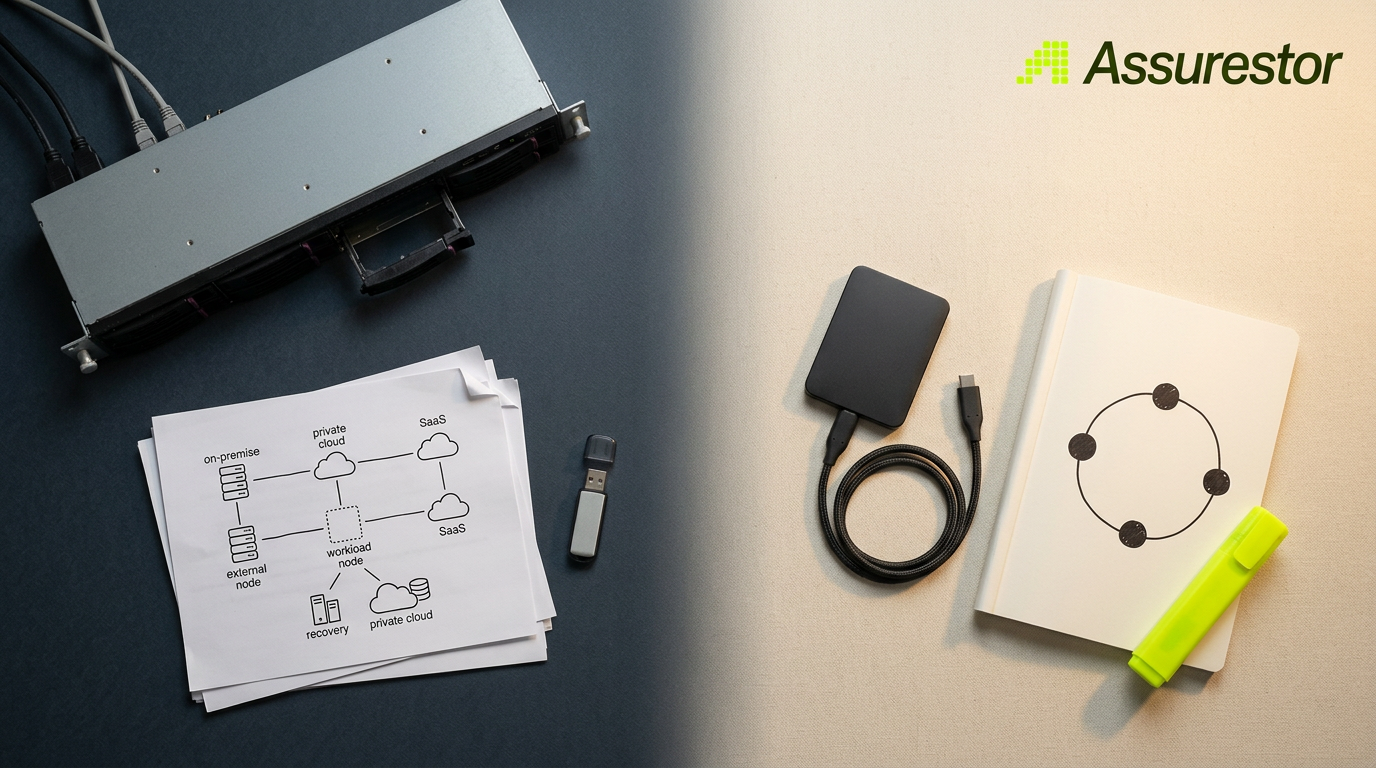
Achieving true resilience requires a layered approach. This strategy separates basic backup from genuine continuity, ensuring no aspect is left uncovered.
Basic Backup vs. True Continuity
Backup is essential, but it’s not enough on its own. Basic backup saves copies of your data. But what happens if you need more than just a backup? That’s where continuity comes in. Continuity ensures your business keeps running, even during disruptions. It’s about more than just storing data. It’s about keeping operations smooth and minimising downtime. True continuity means you can bounce back quickly, no matter the situation.
The Role of Multi-Vendor Backup
Relying on a single vendor can limit your options. Multi-vendor backup offers flexibility and strength. It allows you to mix and match solutions that best fits your needs. This approach reduces risk by not putting all your eggs in one basket. It also means you can choose the best tools for specific tasks. By diversifying your backup solutions, you enhance your overall resilience. This strategy brings you closer to comprehensive protection.
Orchestrated Failover and Automation
Automation is key to modern data protection. Orchestrated failover ensures your systems switch smoothly during a disruption. This process minimises downtime and keeps your business running. Automation reduces the chance of human error, making your recovery efforts more reliable. It allows you to focus on critical tasks while the system handles routine operations. Embracing automation and orchestrated failovers strengthens your resilience strategy.
Building a Resilient Hybrid IT Strategy
Creating a robust strategy means understanding what your system needs. It’s about identifying key components and ensuring they’re in place.
Essential Components of Data Protection
Data protection is more than just backup. It includes encryption, monitoring and regular testing. These elements work together to keep your data secure. Regular testing ensures your recovery plan works when you need it most. Encryption protects your data from unauthorised access. Monitoring helps you identify potential threats before they become problems. Together, these components create a solid foundation for data protection.
Assessing RTO and RPO in Hybrid Environments
Recovery Time Objective (RTO) and Recovery Point Objective (RPO) are crucial metrics. They define how quickly you can recover and how much data you can afford to lose. In hybrid environments, these metrics can vary. It’s important to assess them regularly. Understanding your RTO and RPO helps you set realistic recovery goals. It ensures your strategy aligns with your business needs, minimising potential losses.
Engaging with MSP Partner Programmes
Partnering with Managed Service Providers (MSPs) can enhance your resilience. These programmes offer access to expert knowledge and resources. They help you implement and manage your data protection strategy. MSPs provide support and guidance, allowing you to focus on your core business. Engaging with these programmes can give you peace of mind. They ensure you have the right tools and expertise to keep your data safe.
In summary, achieving true hybrid IT resilience involves more than just basic backup. It requires a comprehensive, layered approach that covers every aspect of your system. By understanding your needs and partnering with experts, you ensure your data is protected and your business remains robust.