
Business continuity vs disaster recovery: stop selling the split in hybrid IT


Business continuity and disaster recovery often get treated like separate solutions but, in hybrid IT, that split creates risk. When you rely on two different services, the gap between keeping your business running and restoring your systems becomes a costly weak point. This post explains why combining these into a single resilience offering not only simplifies service design but also builds stronger, more profitable protection for MSPs and IT teams alike.
Understanding Business Continuity and Disaster Recovery
In a world reliant on technology, keeping your operations going while recovering from disruptions is crucial. Let’s break down these concepts to see how they fit together.
Defining Business Continuity
Business continuity is about ensuring your operations keep running during a disruption. Consider it a safety net that maintains critical functions. The goal is to minimise downtime and make sure your business doesn’t stop. It’s like having a backup plan for every essential process. This involves thorough planning, from identifying potential threats to setting up strategies for maintaining operations no matter what happens.
Unpacking Disaster Recovery
Disaster recovery focuses on restoring systems and data after a disruption. This means getting your technology back on track quickly. Think of it as your action plan following an unexpected event, like a cybersecurity attack or a natural disaster. It includes steps to recover data, reboot systems and bring everything back to normal. The speed and efficiency of this process can determine how much impact a disaster has on your business.
Common Confusion in Terminology
Many people mix up business continuity and disaster recovery, thinking they’re the same. They are related but distinct. Business continuity is proactive, ensuring operations continue during disruptions. Disaster recovery is reactive, focusing on getting systems back up after a disruption. When MSPs and IT teams understand this distinction, they can create a stronger, more integrated protection plan.
Integrating Continuity and Recovery in Hybrid IT

Bringing these concepts together provides seamless protection in hybrid IT environments.
The Overlap in Real Service Delivery
In real-world situations, the lines between continuity and recovery blur. During a disruption you’ll need to ensure operations continue while also restoring systems. This overlap requires a cohesive approach where both elements support each other. By aligning them, service delivery becomes smoother, reducing the risk of gaps that could lead to costly downtime.
Risks of a Split Approach
When you treat business continuity and disaster recovery as separate, you risk creating weak points. Imagine relying on different providers for each service; gaps can occur, leading to delays in recovery and additional costs. A split approach often results in miscommunication, leading to inefficiencies. This can be disastrous, especially in hybrid IT environments where systems are interconnected.
Building a Unified Resilience Model
A unified approach, known as Resilience-as-a-Service, combines continuity and recovery into one seamless solution. This model ensures that all aspects of protection are integrated, providing comprehensive coverage. By doing so, businesses can maintain operations and restore systems without missing a beat. This synergy not only enhances protection but also improves service efficiency and customer satisfaction.
Designing a Resilient Service for MSPs
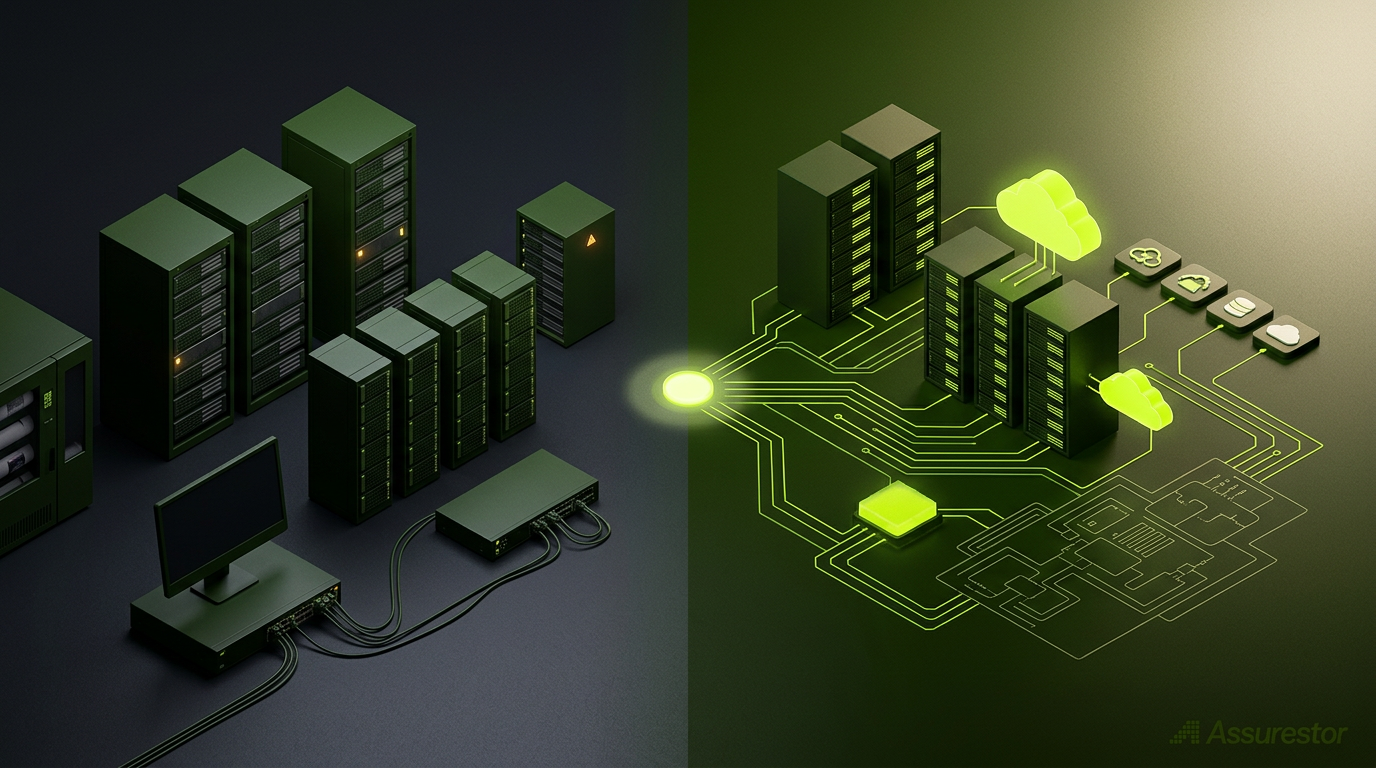
Incorporating both continuity and recovery into a single offering benefits MSPs in several ways.
Aligning Continuity with Recovery
Combining these services means aligning business priorities with recovery strategies. MSPs can then offer a complete package, ensuring clients have minimal downtime during disruptions. This alignment also helps MSPs streamline their operations, focusing on delivering a consistent service that meets client expectations.
Creating a Scalable Service Offering
A cohesive resilience model allows MSPs to scale their services easily. As businesses grow, their protection needs to evolve. Offering a single, integrated service means MSPs can adapt to these changes without overhauling their approach. This scalability makes it easier for MSPs to expand their client base while maintaining high service standards.
Enhancing Customer Confidence and Margins
By providing an integrated resilience solution, MSPs can boost customer confidence. Clients know they’re protected from all angles, which builds trust and loyalty. Additionally, offering a comprehensive service can increase margins, as clients are willing to invest more in reliable protection that covers all bases.
Frequently Asked Questions
What is the difference between business continuity and disaster recovery?
Business continuity ensures operations continue during disruptions, while disaster recovery focuses on restoring systems after a disruption. They are related but distinct elements of a comprehensive protection plan.
Why is it risky to separate business continuity and disaster recovery services?
Separating these services can create gaps, leading to delays in recovery and increased costs. A unified approach minimises these risks, ensuring seamless protection.
How can MSPs benefit from integrating continuity and recovery?
MSPs can offer a complete protection package, enhancing customer trust and satisfaction. This integration also allows for scalable services and improved margins, making it a win-win for both providers and clients.